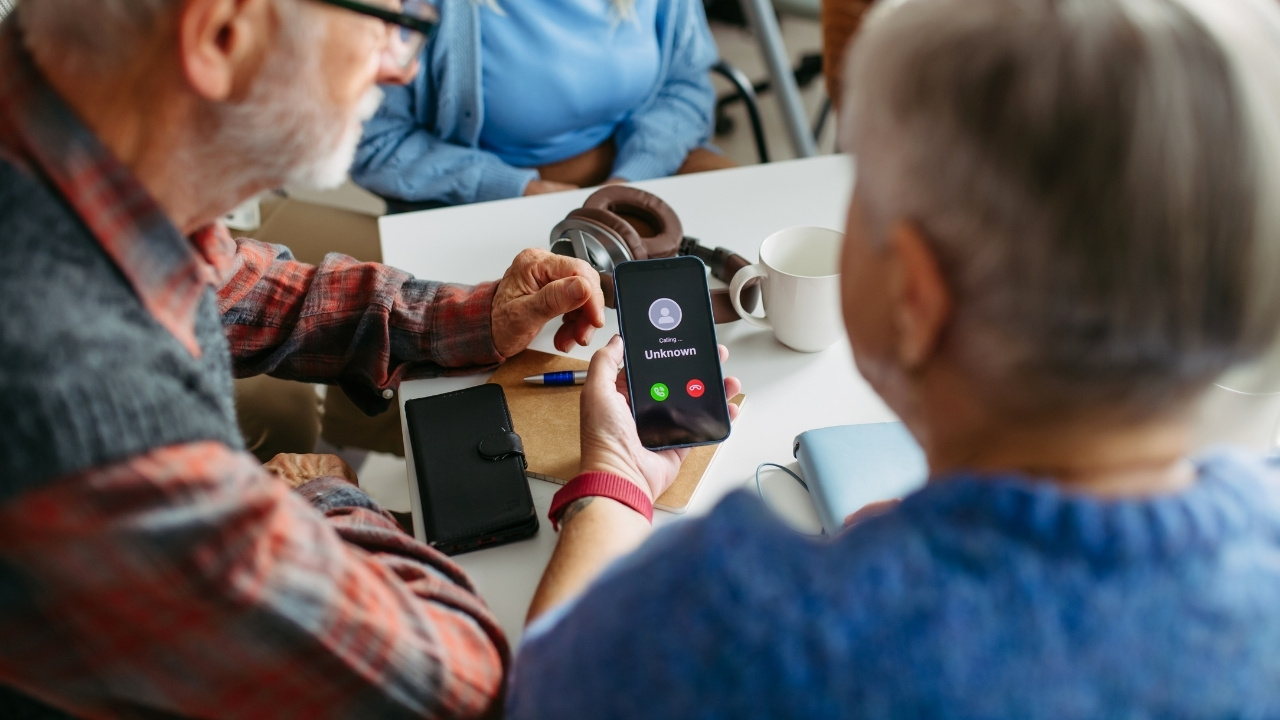
How to Protect Yourself from Today’s Most Common Scams
Fraudsters are becoming more sophisticated (and more convincing) by the day. From fake bank alerts to AI-generated voice scams, criminals rely on urgency, fear, and trust to trick people into handing over money or personal information. Understanding how these scams work is the first step in protecting yourself and your finances.
Below is an overview of some of the most common scam tactics being used today, along with practical steps you can take to stay safe.
Common Scam Tactics to Watch For
Imposter Scams
Imposter scams occur when criminals pretend to be someone you should be able to trust, such as the IRS, Social Security Administration, your credit union, or even well-known companies like Amazon. These scammers may claim there is a problem with your account, a missed payment, or suspicious activity and pressure you to act quickly by providing personal information or sending money.
Red flag: Legitimate organizations will not demand immediate payment or sensitive information through unsolicited calls, texts, or emails.
Phishing and Smishing
Phishing (email) and smishing (text message) scams are designed to look like legitimate alerts. You may receive a message claiming there is fraud on your account, an issue with a package delivery, a missed toll payment, or a security alert requiring immediate action. These messages often contain malicious links that lead to fake websites designed to steal your login credentials or personal data.
Red flag: Unexpected messages with links, spelling errors, or urgent language.
Job Scams
Job scams frequently advertise remote or work-from-home positions that sound too good to be true. Scammers may ask for upfront payments, personal information, or request that you move money using payment apps as part of your “job.”
Red flag: Any job that requires you to pay money, share sensitive personal information early in the process, or handle funds on behalf of the employer.
AI Voice and “Grandchild” Scams
With advances in artificial intelligence, scammers can now mimic the voice of a loved one. In these scams, victims receive a call that sounds like a grandchild or family member claiming to be in an emergency and urgently needing money.
Red flag: Requests for secrecy or immediate payment, especially when paired with emotional distress.
Crypto and Investment Scams (“Pig Butchering”)
These scams often start with friendly conversations on social media or dating apps. Over time, scammers build trust and then introduce a “guaranteed” crypto or investment opportunity. Victims may initially see fake returns before being pressured to invest more, only to lose everything.
Red flag: Investment opportunities that promise guaranteed or unusually high returns.
Rental Scams
Rental scams involve fake apartment or home listings. Scammers may claim the property is in high demand and ask for deposits or application fees upfront, often requesting payment through Zelle, Venmo, gift cards, or wire transfers.
Red flag: Requests for payment before viewing the property or signing a legitimate lease.
How to Protect Yourself
While scams continue to evolve, a few core habits can significantly reduce your risk.
Verify Independently
Do not trust caller ID, email addresses, or links. If someone claims to be from your bank, a government agency, or a business, hang up and contact them directly using a trusted phone number or official website.
Never Pay Urgently
Government agencies and legitimate financial institutions will never demand immediate payment via gift cards, wire transfers, or payment apps. Any urgent demand for payment is a major warning sign.
Be Wary of Urgent or Emotional Requests
Scammers rely on panic to prevent you from thinking clearly. If a message or call pressures you to act immediately, pause and take time to verify the situation.
Protect Verification and 2FA Codes
Never share one-time passcodes or two-factor authentication (2FA) codes with anyone. Legitimate companies will never ask for these codes.
Don’t Click Unexpected Links
Avoid clicking links in unsolicited or unexpected texts and emails. Instead, go directly to the organization’s official website or app.
Report Suspicious Messages
If you receive a suspicious text message, forward it to 7726 (SPAM) to help wireless carriers identify and block scam messages. You should also report suspected fraud to your financial institution as soon as possible.
Stay Informed, Stay Protected
Scammers count on people being busy, distracted, or unaware of the latest tactics. Staying informed and slowing down before you act can make all the difference. If something feels off, trust your instincts and verify before responding.
Protecting your financial well-being starts with awareness, and when in doubt, it’s always better to ask questions than to act quickly.