Keep Your Holidays Merry: Keep An Eye Out For These Scams
Holidays mean more shopping, more deliveries, more donations, and more requests for help. Unfortunately, scammers know that and they step up their tactics. Below are the scams we see most often during the season, how scammers pull them off, what to watch for, and exactly what to do if you are targeted.
1. Fake delivery and redelivery texts
How it works
Scammers send a text saying a package could not be delivered or that a fee is required to reschedule delivery. The message contains a link that looks like a carrier or retailer site. When you click the link, you may be asked to enter payment or account information, or malware may be downloaded to your phone.
Red flags
- Unexpected messages about a delivery you did not order.
- Links with odd domains, extra numbers, or spelling errors.
- Requests for payment via unusual methods such as gift cards or wire transfers.
- Pressure to act quickly to avoid losing your package.
What to do
- Do not click the link.
- Check the tracking status directly on the carrier’s official website using the tracking number from your order confirmation.
- If you entered payment details, contact Members 1st immediately and review your account activity.
2. “Did you make this purchase?” texts that prompt a reply
How it works
A text asks whether you recognize a charge and tells you to reply with a number or word. When you reply, scammers confirm your phone is active. They follow up with a call using spoofed caller ID that looks like a local or trusted number, or they send another message that contains a link or request for verification.
Red flags
- Short, urgent messages that ask you to reply with a simple code.
- Texts from unfamiliar area codes or numbers you do not recognize.
- Follow-up calls that pressure you to provide account numbers or one-time passwords.
What to do
- Do not reply. Replying confirms your number is live and can increase scam attempts.
- Do not call back any number provided in the message. Instead call Members 1st at the official number found at m1cu.org or on your statements.
- If you did reply or gave information over the phone, contact us immediately so we can monitor or freeze accounts.
3. Gift card and payment app scams
How it works
Scammers insist on payment by gift card, prepaid card, or a peer-to-peer payment app. They claim the payment is required to secure an item, pay a fee, or resolve an urgent problem. Once the scammer has the gift card code or the payment app transfer, the funds are gone.
Red flags
- A seller or caller who says you must pay with a gift card or a P2P app right away.
- Requests to buy multiple gift cards and provide their codes.
- High pressure to send payment immediately.
What to do
- Never pay a business or government agency with a gift card. Legitimate companies do not demand gift cards for payment.
- If you have sent money to a scammer, contact Members 1st and the payment app provider immediately. Report the loss and provide transaction details.
- Keep receipts and card numbers to help with any recovery effort.
4. Fake charities and donation appeals
How it works
Scammers create convincing charity pages, emails, or social posts that mimic real charities. They leverage emotional stories during the season to get donations. Some run fake crowdfunding pages that look legitimate until you submit payment.
Red flags
- Unsolicited donation requests asking for payment by gift card or wire.
- Charity names that are close to, but not the same as, well-known organizations.
- Poor grammar or donation pages that do not provide tax receipt information.
What to do
- Verify the charity independently before donating. Call the organization using a phone number from their official site or check with known charity watchdogs.
- If you donated and suspect fraud, contact your card issuer or Members 1st to report the transaction.
5. Fake storefronts and online seller scams
How it works
Fraudulent websites promise steep discounts, limited edition items, or high-demand products. They often use professional-looking designs and fake customer reviews. After you buy, the item never ships or a counterfeit product arrives.
Red flags
- Prices that are too good to be true.
- No company contact information or only a web form.
- Reviews that are all overly positive and similar in wording.
What to do
- Use reputable sellers and pay with a credit card to get extra buyer protection.
- Read the return policy and look for physical contact information.
- If you suspect fraud after a purchase, contact Members 1st and your card issuer to dispute the charge.
6. Social media and marketplace scams
How it works
Scammers post items for sale on social media or marketplace sites. They may pressure buyers to pay outside the platform or use unusual payment methods. They can also impersonate friends and ask you to buy items or gift cards.
Red flags
- Requests to pay with wire transfer, gift cards, or P2P apps instead of the marketplace payment system.
- Sellers who refuse to meet in person for local pickup.
- Messages from friends asking for money in unusual ways that do not match their typical behavior.
What to do
- Use the marketplace payment or pickup in a safe, public place.
- Do not send money to someone you only know online.
- If you are impersonated or scammed, report the account to the platform and contact Members 1st if money changed hands.
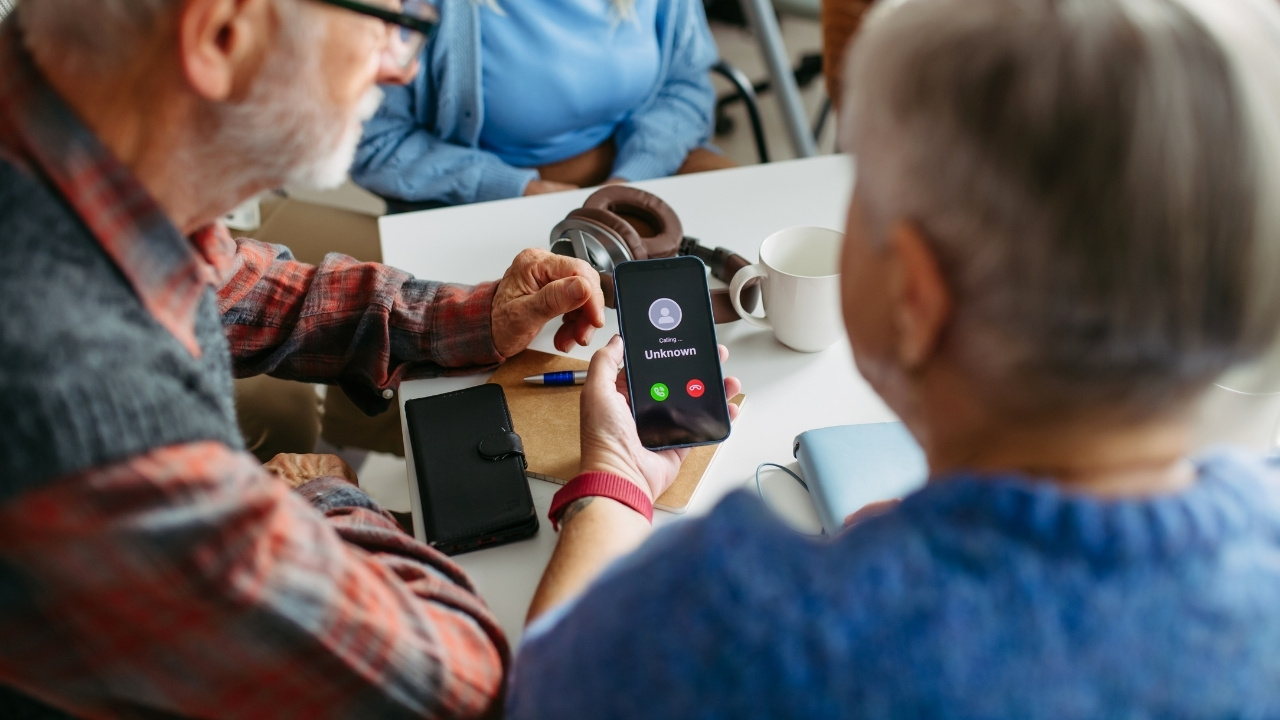
7. Caller ID spoofing and vishing (voice phishing)
How it works
Scammers manipulate caller ID so the call appears to come from a trusted or local number. They use urgency to trick you into providing account numbers, pins, or one-time passwords. Sometimes they claim to be from your bank or a government agency.
Red flags
- Caller pressures you to act immediately or threatens consequences.
- The caller asks for one-time passcodes, full account numbers, or full Social Security numbers.
- The caller asks you to move money to a “safe” account or transfer funds.
What to do
- Hang up and call the institution back at the official number.
- Never share one-time passcodes or account PINs with anyone. Legitimate institutions will never ask you to transfer money to a “safe” account.
- If you provided information, contact Members 1st right away.
8. Holiday job, check, and overpayment scams
How it works
Scammers advertise seasonal jobs or ask you to cash a check and forward part of the funds. The check later bounces and you are left responsible for the full amount. Other scams promise work from home and ask for money up front.
Red flags
- Job offers that pay unusually high rates for little or no work.
- Requests to cash checks and wire or send part of the funds.
- Employers who ask for payment for training or equipment.
What to do
- Do not cash checks from strangers. Wait for funds to fully clear before acting on any payment.
- Research the employer and confirm job listings on official company sites.
- If you received a bad check, contact Members 1st and do not send funds until the situation is resolved.
Steps to take if you are targeted
- Stop interacting with the caller, text, or site.
- Take screenshots and save any messages or emails.
- Call Members 1st using the official number on your statement or our website to report the incident.
- Check your account activity and set up alerts for suspicious transactions.
- Change passwords and enable multi-factor authentication for important accounts.
- If money has been stolen, file a police report and report the fraud to the appropriate authorities.
Final thoughts
Scammers get more creative every year, but the basics of staying safe do not change. Pause before you click, verify before you pay, and call us if something does not feel right. If you receive a suspicious text or call related to your accounts, Members 1st is here to help.